點(diǎn)擊左上角“鋰電聯(lián)盟會(huì)長(zhǎng)”,即可關(guān)注!

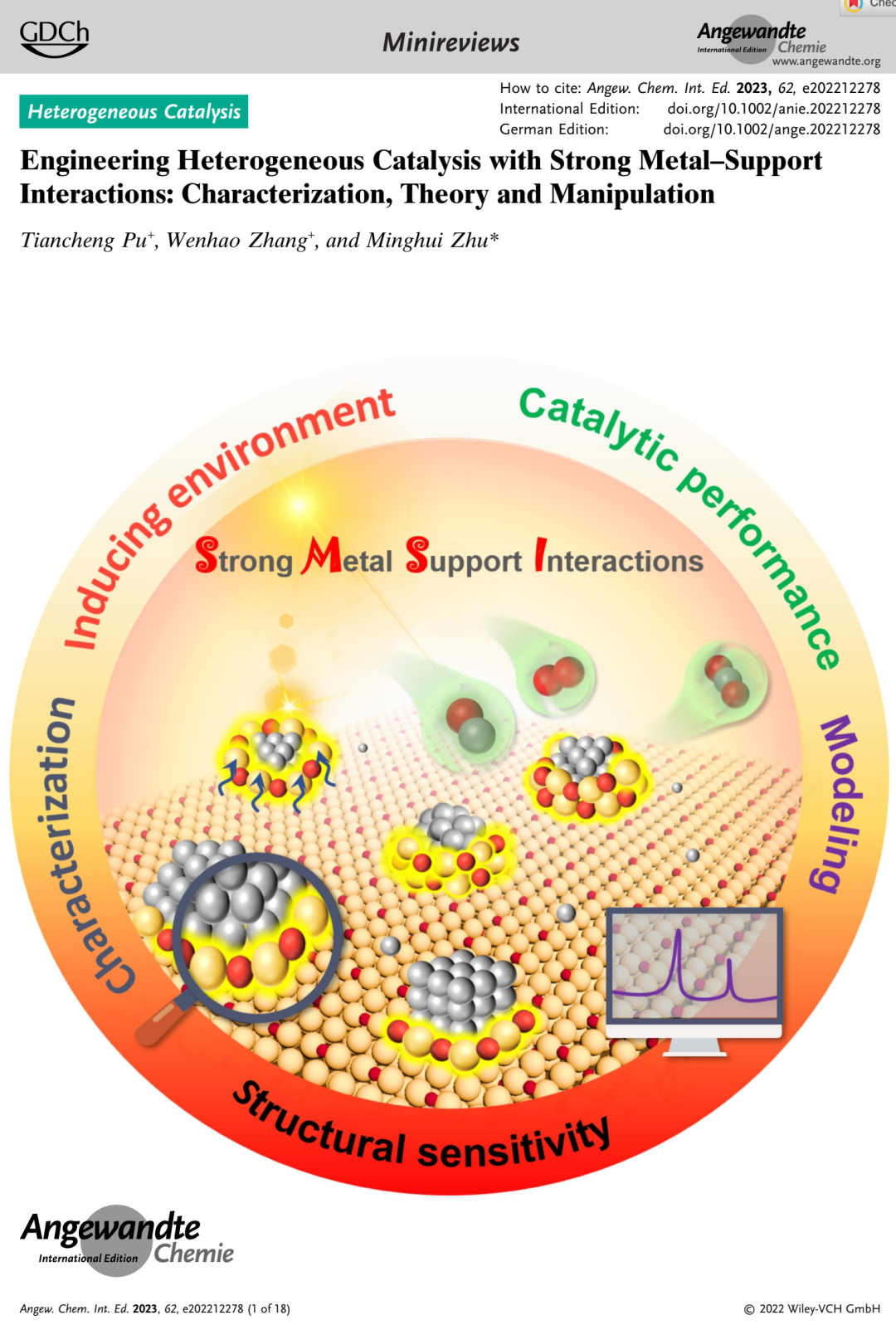
Strong
metal–support interactions (SMSI) represent a classic yet fast-growing area in
catalysis research. The SMSI phenomenon results in the encapsulation and
stabilization of metal nanoparticles (NPs) with the support material that
significantly impacts the catalytic performance through regulation of the
interfacial interactions. Engineering SMSI provides a promising approach to
steer catalytic performance in various chemical processes, which serves as an
effective tool to tackle energy and environmental challenges. Our Minireview
covers characterization, theory, catalytic activity, dependence on the
catalytic structure and inducing environment of SMSI phenomena. By providing an
overview and outlook on the cutting-edge techniques in this multidisciplinary
research field, we not only want to provide insights into the further
exploitation of SMSI in catalysis, but we also hope to inspire rational designs
and characterization in the broad field of material science and physical
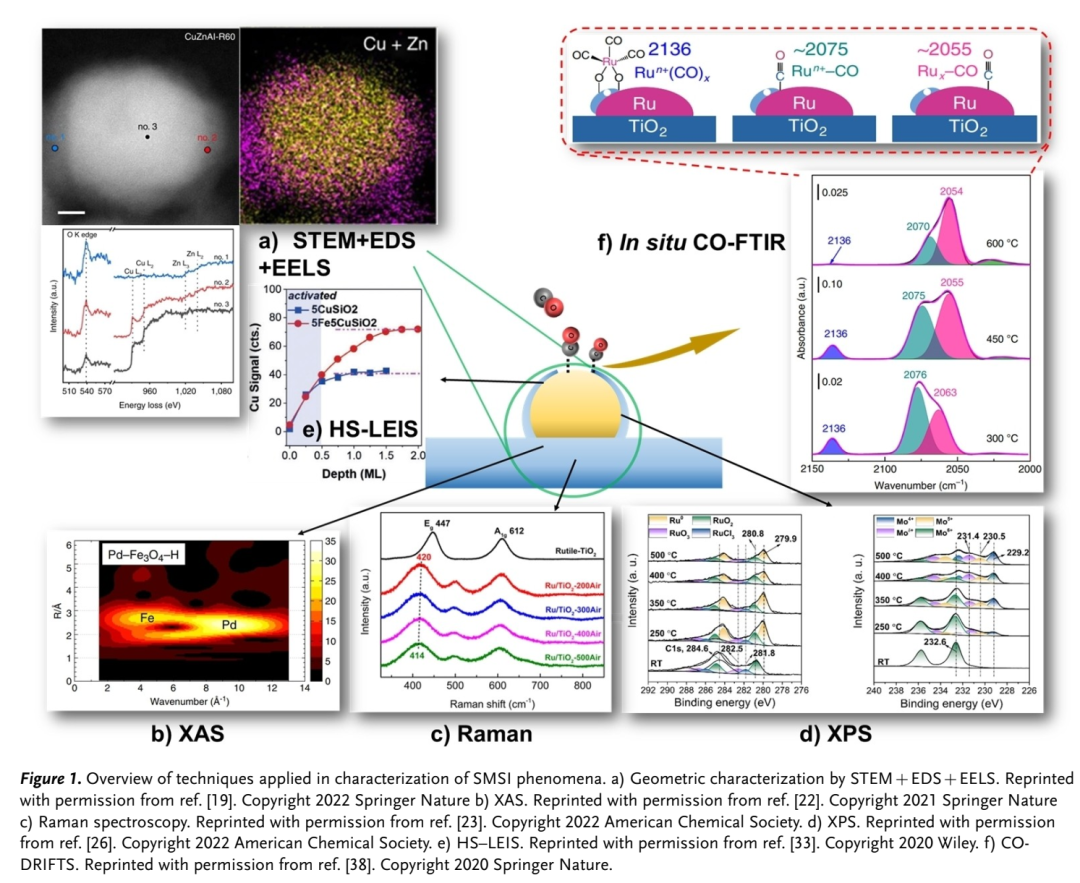
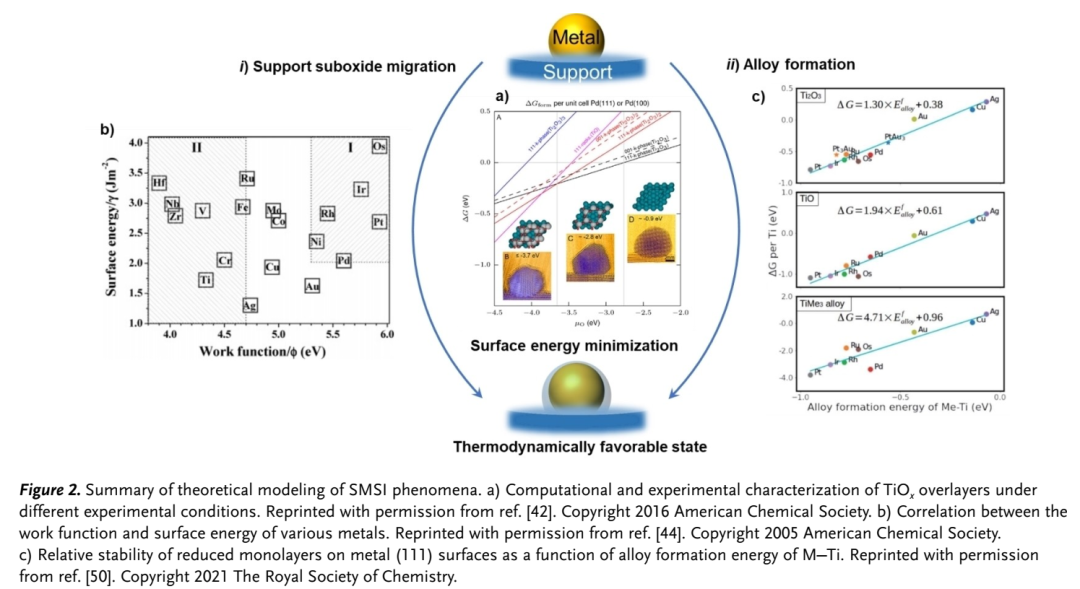
chemistry.? ? ? 華東理工大學(xué)朱明輝教授團(tuán)隊(duì)從多相催化中強(qiáng)金屬載體之間相互作用(SMSI)的結(jié)構(gòu)表征手段、理論與建模、對(duì)催化性能的影響、對(duì)結(jié)構(gòu)和環(huán)境敏感性這五個(gè)方面出發(fā),對(duì)SMSI領(lǐng)域進(jìn)行系統(tǒng)全面的綜述,并就此提出了未來富有潛力的發(fā)展方向。? ? ? ?關(guān)于SMSI形成本質(zhì)及其性質(zhì)的研究離不開原位/現(xiàn)場(chǎng)表征手段的協(xié)助,主要包括電鏡技術(shù)和譜學(xué)技術(shù)。其中電鏡技術(shù)可以直接觀察到SMSI引起的形貌變化,即金屬顆粒上的載體包覆層的存在。而譜學(xué)技術(shù)注重提供催化劑不同深度的信息,與電鏡技術(shù)結(jié)合,多層次的建立和加深對(duì)SMSI的全面認(rèn)識(shí)。? ? ? ?計(jì)算建模的應(yīng)用是SMSI理論研究過程中的有力手段。目前唯一的共識(shí)是,表面能最小化是SMSI形成的熱力學(xué)驅(qū)動(dòng)力。然而在這一通用的熱力學(xué)概念下則有多種潛在的形成機(jī)理,其中被廣泛報(bào)道的兩種包覆層形成機(jī)理有“亞氧化物載體遷移”理論和“合金形成”理論。SMSI現(xiàn)象對(duì)催化劑結(jié)構(gòu)和環(huán)境的敏感性
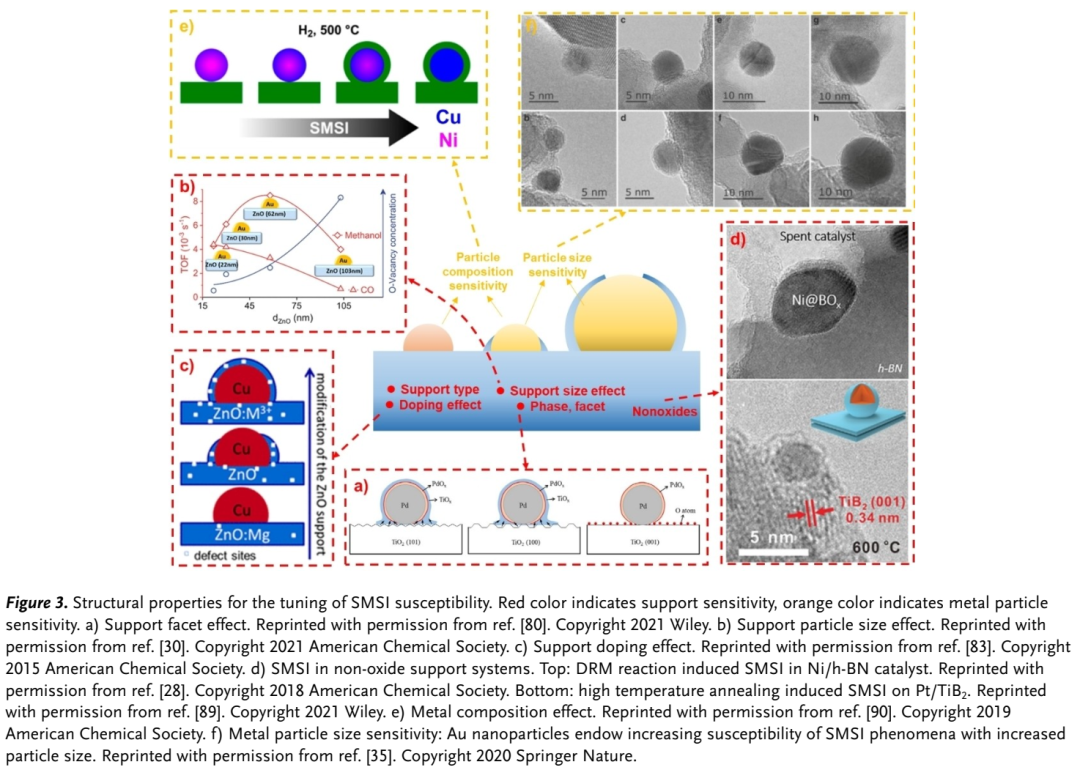
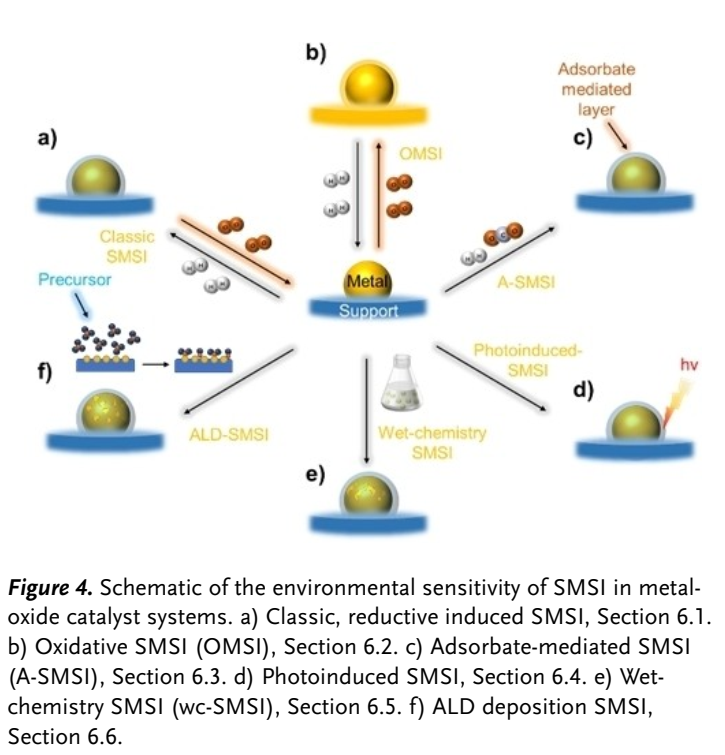
? ? ? ?SMSI的研究表明其具有對(duì)催化劑結(jié)構(gòu)和環(huán)境敏感性。SMSI的形成及存在形式受金屬/載體的種類和性質(zhì)、以及金屬/載體組成的影響。同時(shí),SMSI的形成及性質(zhì)還受誘導(dǎo)過程中不同外部環(huán)境所調(diào)控,主要有還原誘導(dǎo)、氧化誘導(dǎo)、吸附介質(zhì)誘導(dǎo)、光誘導(dǎo)、濕化學(xué)和原子層沉積誘導(dǎo)等。? ? ? ?最后,作者提出幾點(diǎn)關(guān)于SMSI發(fā)展的展望,即建立反應(yīng)條件下針對(duì)表面位點(diǎn)的時(shí)間尺度現(xiàn)場(chǎng)表征;構(gòu)建原位/現(xiàn)場(chǎng)表征技術(shù)與計(jì)算手段的有效結(jié)合;探索SMSI現(xiàn)象的起源和性質(zhì);拓展界面位點(diǎn)的準(zhǔn)確建模、結(jié)合吸附和外部環(huán)境的建模、分子動(dòng)力學(xué)和機(jī)器學(xué)習(xí)算法;促進(jìn)SMSI在電催化和光催化領(lǐng)域的應(yīng)用等。Tiancheng Pu, Wenhao Zhang, and Minghui
Zhu*. Engineering Heterogeneous Catalysis with Strong Metal–Support
Interactions: Characterization, Theory and Manipulation. Angew. Chem. Int. Ed. 2023, 62, e202212278 ?DOI:10.1002/anie.202212278https://doi.org/10.1002/anie.202212278鋰電聯(lián)盟會(huì)長(zhǎng)向各大團(tuán)隊(duì)誠(chéng)心約稿,課題組最新成果、方向總結(jié)、推廣等皆可投稿,請(qǐng)聯(lián)系:郵箱libatteryalliance@163.com或微信Ydnxke。鋰電池自放電測(cè)量方法:靜態(tài)與動(dòng)態(tài)測(cè)量法!
工藝,研發(fā),機(jī)理和專利!軟包電池方向重磅匯總資料分享!
搞懂鋰電池阻抗譜(EIS)不容易,這篇綜述值得一看!鋰電池循環(huán)壽命研究匯總(附60份精品資料免費(fèi)下載)